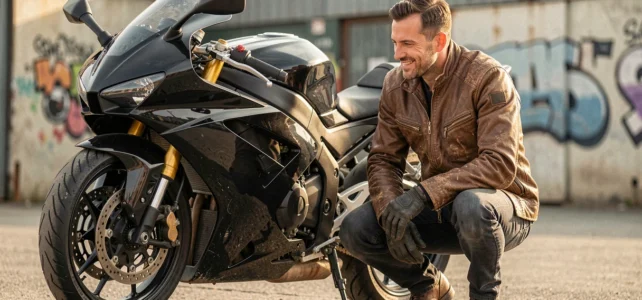
The motorcycles grouped under the name “X” refer to machines designed to leave the pavement, tackle trails, or simply offer a versatility that traditional touring bikes do not provide. Trail, enduro, adventure, crossover: behind this term lies a family of models with varied temperaments.
Their common point remains an ability for off-road use, or at least a look that suggests it. Understanding what distinguishes these motorcycles allows you to choose one that matches real usage, not just an image.
Motorcycle technical inspection: what changes for recent models
Since April 15, 2024, technical inspection is mandatory for vehicles in category L, which includes motorcycles, scooters, tricycles, and quads. The implementation schedule is gradual, and it is in 2026 that things will become concrete for many owners of recent motorcycles.
Motorcycles registered between 2020 and 2021 must undergo their first inspection in 2026, within four months following the anniversary date of their registration, before December 31. For models registered from 2022, the first inspection occurs within six months before the fifth anniversary of the registration certificate, then every three years.
Are you considering buying a used motorcycle? This point changes the game: a technical inspection of less than six months is now required to transfer the vehicle. Vintage motorcycles registered before 1960 are exempt, while more recent vintage models benefit from an extended validity of five years instead of three.
This regulatory framework encourages a more rigorous check of mechanical condition, even on relatively young machines. For those exploring the x motorcycles on Motor X Club, this constraint reinforces the importance of knowing the maintenance history of a model before making a decision.
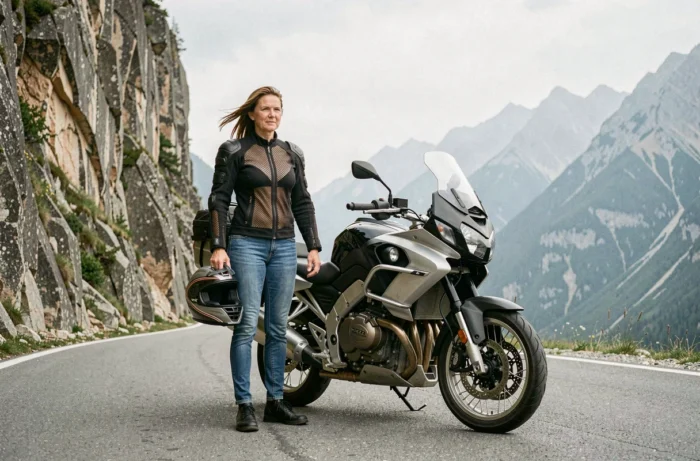
Trail and adventure motorcycles: understanding the differences before buying
Marketing vocabulary often blurs the lines. A road trail, an adventure bike, and an enduro do not meet the same needs, even if their silhouettes sometimes resemble each other.
The road trail
This is the versatile motorcycle by definition. High riding position, medium travel suspension, mixed tires. It rides comfortably on the highway and handles a dirt path without complaint. The majority of sales in this segment concern machines used over 80% on the road.
The adventure (or maxi-trail)
Heavier, better equipped (saddlebags, engine protection, large capacity tank), it is aimed at long journeys. Its weight makes it less agile off-road than a true enduro, but its range and comfort compensate for long distances.
The enduro
Light, stripped down, with long-travel suspension. It excels on technical trails. In contrast, riding for two hours on the highway is a physical challenge. Some models are not even homologated for the road.
Before choosing, ask yourself a simple question: what percentage of your trips will actually be off the pavement? The answer points towards a road trail (less than 20% off-road), an adventure (mixed long-distance travel), or an enduro (dominantly off-road use).
Motorcycle gear: three criteria that beginners underestimate
The helmet attracts all the attention during the first purchase, and that’s normal. But other gear elements deserve equal consideration, especially for mixed road and trail riding.
- Rigid-soled boots: on a trail, the foot serves as a support point when stopping on soft ground. A soft-soled sneaker slips on the footpegs and offers no protection in case of a lateral fall. Boots with ankle reinforcement and a treaded sole change stability at low speeds.
- Pants reinforced at the knees and hips: off-road, falls occur at low speeds but on abrasive surfaces (gravel, rock). A regular pair of jeans tears after just a few centimeters of sliding. Pants with certified protections absorb impact without adding excessive bulk.
- Long gloves covering the wrist: on the road, short gloves are often sufficient. Off-road, branches, flying stones, and prolonged vibrations make long gloves much more suitable. The wrist is a vulnerable area during falls.
Investing in these three areas from the start helps avoid common injuries among motorcyclists who are new to off-road riding.
Motorcycle market in Europe: the rise of Asian manufacturers
The European motorcycle market has seen notable growth in the recent first half of the year, with a rebound in registrations after several years of slowdown. This rebound is accompanied by a phenomenon that reshuffles the cards: Chinese brands are gaining significant market share in the accessible motorcycle segment.
For the motorcyclist, this increased competition has a direct effect: entry-level trail and roadster ranges offer equipment levels (ABS, riding modes, onboard electronics) that were reserved for premium segments a few years ago. The quality of accessible motorcycles has improved faster than their prices.
Noise and regulation: the decibels to watch
The issue of noise pollution regularly comes back to the motorcycle news. Legislation regulates the noise level at the exhaust, and inspections are increasing, particularly near residential areas and busy mountain passes.
Why does this topic particularly concern motorcycles X? Because trail and enduro models are often equipped with aftermarket exhaust systems, intended to improve performance or lighten the machine. An unapproved exhaust can lead to a fine and the immobilization of the vehicle.
Before modifying your exhaust system, check that the silencer bears a European approval mark. In case of doubt, keep the original system for road trips and reserve the racing system for sessions on private land or in competition.
The tightening of regulations, combined with the introduction of technical inspections, is pushing manufacturers to offer more acoustically efficient original exhausts. This is now a purchasing criterion that weighs as much as power or torque in the choice of a new model.