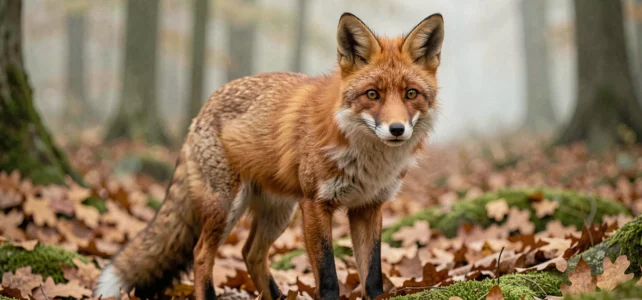
Animals share our daily lives, populate our forests and oceans, and yet a large part of their biology remains unknown to the general public. Between species with extraordinary sensory capabilities and rapidly evolving regulations in Europe, the topic deserves a concrete look.
Animal sensory capabilities: what our eyes do not perceive
Have you ever noticed that a cat turns its head toward a sound you cannot hear? This reflex illustrates a real sensory gap between species. Felines detect sound frequencies well beyond our auditory spectrum.
In birds, color perception goes beyond human visibility. Some species can distinguish ultraviolet light, which alters their way of locating food and choosing a mate. The plumage of a male bird, dull to our eyes, may shine under a spectrum that we simply cannot perceive.
Electric fish, on the other hand, detect electric fields emitted by other organisms in the water. This additional sense allows them to hunt in complete darkness. To delve deeper into these differences between species and explore animals on animaltime.net, the subject has many ramifications.
Each species perceives a sensory world that is unique to it. This concept, called Umwelt by biologists, reminds us that our human vision is just one filter among many.
Conservation status of species in France: declining numbers
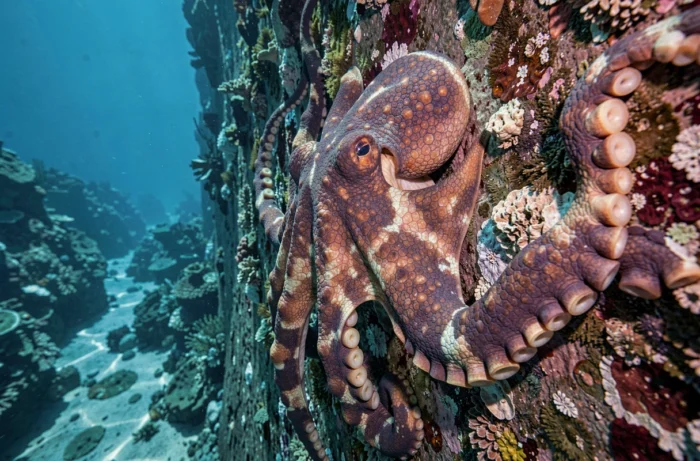
The latest national assessment of the conservation status of habitats and remarkable species in France covers the period 2019-2024. The conclusion is clear: the proportion of habitats and species in a favorable condition has decreased from 26% to 22% between the last two assessment periods (2013-2018 and then 2019-2024).
A majority of evaluations are classified as unfavorable and declining. This data, published by the Ministry of Ecological Transition, concerns both mammals and breeding birds as well as amphibians.
Why this degradation also affects common species
We often think of rare species when discussing conservation. Common species are also declining, due to the combined effects of habitat fragmentation, soil artificialization, and intensive agricultural practices.
Specifically, a bird nesting in a hedgerow loses its habitat when the hedgerow is removed. The disappearance of a micro-habitat is enough to cause a local population to decline. This mechanism is replicated on a large scale across the territory.
European regulation on dogs and cats: what changes in 2026
The European Union adopted Regulation (EU) 2026/1818 in August 2026. This text is the first to unify the rules of welfare and traceability of dogs and cats at the European level.
Do you have a cat or dog at home? This regulation directly concerns you. It provides for progressive obligations until 2041, covering several aspects:
- Systematic identification by microchip and registration in interconnected national databases between member countries
- Regulated breeding conditions, with minimum standards for space, socialization, and veterinary care
- Harmonized sales rules to limit the trafficking of pets between states
A timeline spread over several years
The general application will not be immediate. The obligations will come into effect in stages until 2041, allowing breeders and owners time to adapt. The first measures will concern identification and traceability.
This regulation marks a turning point for families adopting an animal. Until now, each country applied its own standards, which facilitated the illegal sale of puppies from unregulated breeders.
Observing intelligent animals: where and how
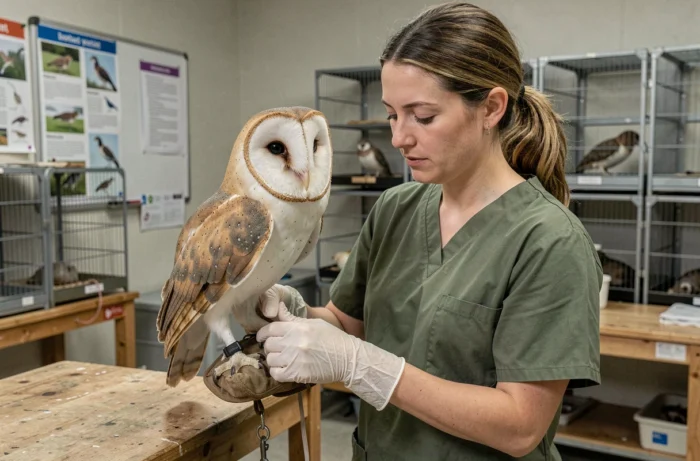
Some species exhibit remarkable cognitive behaviors. Corvids (crows, ravens, magpies) use tools to access food. Octopuses solve mechanical problems in captivity. These observations are not anecdotal: they are documented by reproducible experimental protocols.
You don’t need to go far to observe these behaviors. A garden or urban park is sufficient to follow the antics of a magpie hiding food or a blackbird detecting worms underground by vibration.
Some practical tips for effective observation
- Stay still for at least ten minutes before natural behaviors appear: animals resume their routine when disturbances cease
- Observe early in the morning, when foraging activity is most intense, especially among birds
- Keep a observation notebook with the date, time, species, and noted behavior: regularity reveals patterns invisible to the naked eye
- Never feed a wild animal, as this alters its behaviors and creates food dependency
Regular observation teaches more than a documentary, because it confronts you with the real variability of behaviors.
The animal world is neither just a collection of exotic species nor simply cohabitation with a cat on the couch. Between the documented decline of biodiversity in France and the arrival of a European regulatory framework for pets, the coming years will redefine our concrete relationship with animals, whether they are domestic or wild.